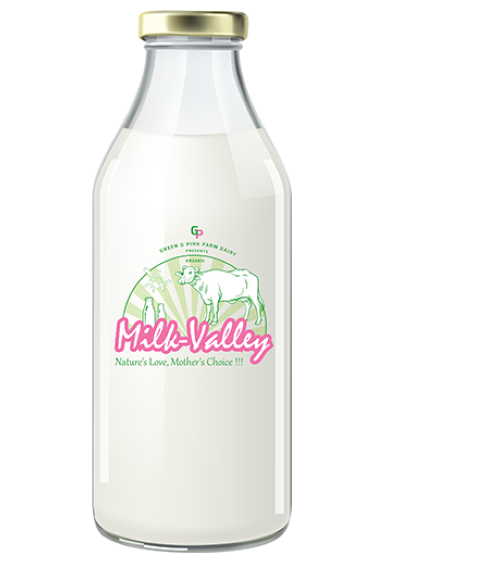
Cow Milk (Raw) 500ML
₹122.00
Organic Cow Milk:
Organic cow milk is a nutrient-rich food that contains many vitamins and minerals and is a good source of protein and calcium. It can be a valuable addition to a balanced diet, supporting bone health, muscle growth, and digestive health:
- Bone health
Cow milk is a great source of calcium and vitamin D, which help build and maintain bone density.
- Muscle growth
The protein in cow milk supports muscle growth and repair.
- Digestive Health
Cow milk contains lactose, a natural sugar that can feed beneficial gut bacteria. Many types of cow milk are also fermented, which introduces probiotics that help maintain a healthy gut microbiome.
- Weight management
When combined with a balanced diet and regular exercise, one cup of cow milk can help with weight management.
Cow milk is made up of 87.4% water and 12.6% milk solids, which include fat, protein, carbohydrates, vitamins, minerals, and trace elements.
By choosing organic milk, you can get the nutritional benefits of milk without exposing your family to chemical contaminants. Numerous studies have found that organic milk has a higher nutritional content, even more healthy omega-3 fatty acids, and more disease-fighting antioxidants than non-organic milk.
Milk and milk products have a good balance of protein, fat and carbohydrates and are a very important source of essential nutrients, including:
- Calcium.
- Riboflavin.
- Phosphorous.
- Vitamins A, D, and B12.
- Potassium.
- Magnesium.
- Zinc.
- Iodine.
- Protein
- Omega-3 fatty acids
Description
- Organic Cow Milk vs. Regular Cow MilkDue to increased awareness of what people eat, organic product demand has increased. Organic cow milk is becoming more and more popular, continuing this trend in the dairy section. Is switching to organic cow milk worth it, and what makes it different from regular cow milk? Let’s examine the distinctions between these two types of cow milk in this blog article.Organic Cow MilkSimilar to regular cow milk, organic milk is produced by cows who have not received antibiotic treatment or growth or reproduction-promoting hormones. Not only that, but organic milk comes from cows that are fed organic feed and subject to stricter rules regarding access to outside grazing.
- No Synthetic Chemicals
Cows bred without the use of antibiotics or synthetic hormones provide organic cow milk. They do not consume any artificial pesticides or herbicides in their diet. Because these compounds have the potential to have negative effects on health, organic cows are not routinely exposed to them.
- Access to Pasture
Organic cow farming emphasizes the well-being of the cows. They have access to pasture, and many are raised on organic farms with sustainable and humane practices. Grazing on natural grass and forage can result in higher nutrient content in their milk, such as higher levels of omega-3 fatty acids.
- No GMOs
Genetically modified organisms (GMOs) are not given to the cows that produce organic cow milk. It is guaranteed that no genetically modified components are present in the feed supplied to organic cows by using non-GMO feed. This is significant for people who want to avoid GMOs for a variety of reasons, such as health concerns and environmental concerns.
- Higher Animal Welfare Standards
The welfare of animals is given top priority in organic farming methods. Compared to cows raised in traditional farming, organic cows often enjoy better living circumstances, greater room to wander and graze, and access to the outdoors. Cows that are happier and healthier may be the outcome of this emphasis on animal welfare.
- Reduced Use of Synthetic Fertilizers
Instead of synthetic fertilizers, organic farming uses natural fertilizers like compost and manure. As a result, there is a decreased chance of groundwater contamination and a lesser negative influence on the environment from the manufacture of synthetic fertilizers.
Regular Cow Milk
Contrarily, regular cow milk may be produced using cows that have been bred in a traditional manner. This implies that they might be given synthetic hormones or antibiotics for a variety of causes, including growth stimulation or disease prevention. The cows might additionally be fed non-organic, genetically engineered feed.
- Quality of Feed
Conventional, non-organic, and perhaps GMO-filled feed may be fed to cows that produce regular cow milk. As a result, there may be fewer certain essential elements, including omega-3 fatty acids, in the milk, which may affect its nutritional value.
- Antibiotics and Hormones
Regular cow milk may be produced by cows who have received artificial hormones or antibiotics for a variety of purposes, such as growth stimulation or disease prevention. For people concerned about potential health implications, the presence of these chemicals in milk can be problematic.
- Environmental Impact
Due to the use of synthetic chemicals, which can be detrimental to the health of the soil and biodiversity, conventional farming methods may have a bigger environmental impact. Sustainable and environmentally friendly farming methods are usually used in organic farming.
Choosing organic cow milk from Milk Valley is more than just about taste; it’s about making a conscious choice for your health, the well-being of animals, and the environment. Our commitment to quality is reflected in every aspect of our process—from the lush, natural farms where our cows graze to our stringent quality checks, cold chain management, and empowered delivery network. By supporting Milk Valley, you’re ensuring that you’re getting the purest, most sustainable milk while also supporting ethical farming practices and local communities. With our dedication to transparency, quality, and sustainability, Milk Valley is proud to deliver milk that not only nourishes your family but also contributes to a healthier planet. Make the switch to Milk Valley today and experience the difference that comes with choosing a product that prioritizes your well-being.
Visit us today:
Website: www.milk-valley.com
Phone: +91 9152959567
Email:- For General Inquiries: info@milk-valley.com
- For Sales Queries: sales@milk-valley.com